
A Living Legacy
On this International Women’s Day, we honour not only what women religious have built, but who they have been and continue to be – women of courage, faith and steadfast compassion. Their giving has not diminished them; it has multiplied hope.
In classrooms and clinics, in remote communities and bustling cities, in quiet conversations and bold advocacy, women religious have embodied the truth that when women thrive, we all rise. Their story is not simply history. It is a living legacy – one that continues to unfold.
The theme for International Women’s Day 2026, Give To Gain, invites us into a deeper understanding of generosity as something transformative. It reminds us that when women are supported and flourish, entire communities rise with them.
To all women religious – we thank you for your spirit of courage and compassion. May the Holy Spirit continue to bless your work, and may Mary, Mother of the Church, guide you with her strength and faith.
At midday on International Women’s Day, pause and offer a prayer of thanks for the gift of all Women Religious
Anne Walker
National Executive Director, CRA
“Give To Gain emphasizes the power of reciprocity and support. When people, organizations, and communities give generously, opportunities and support for women increase. Giving is not a subtraction, it's intentional multiplication. When women thrive, we all rise.”
Give to Gain
This theme resonates profoundly with the story of women religious in Australia. For 188 years — since their first arrival on our shores — women religious have lived this truth quietly and faithfully. Their lives have been shaped by self-giving: in classrooms and hospitals, in remote towns and city streets, in parishes, prisons and refugee centres. In giving themselves to others, they have helped shape the social, educational and spiritual foundations of this nation.
The first congregation of women religious to arrive in Australia were the Sisters of Charity, who came from Ireland on 31 December 1838 aboard the Francis Spaight. Sent by Mother Mary Aikenhead, five courageous women began their ministry among convict women at the Parramatta Female Factory and in education. Their response to need — immediate, practical and compassionate — set a pattern that would echo across generations.
Since that time, almost 100 congregations of women religious have followed. Together, they have filled critical gaps in Australia’s social infrastructure, particularly in education, healthcare and social welfare. Yet beyond institutions and structures, their deeper gift has been presence — walking with people in hardship, celebrating joy, listening in times of uncertainty, and offering hope grounded in faith.
As we mark International Women’s Day 2026, we pause not only to acknowledge achievements but to reflect on the spirit that sustains them. What follows is a small snapshot — just a glimpse — of the enduring contribution of women religious in Australia and beyond.
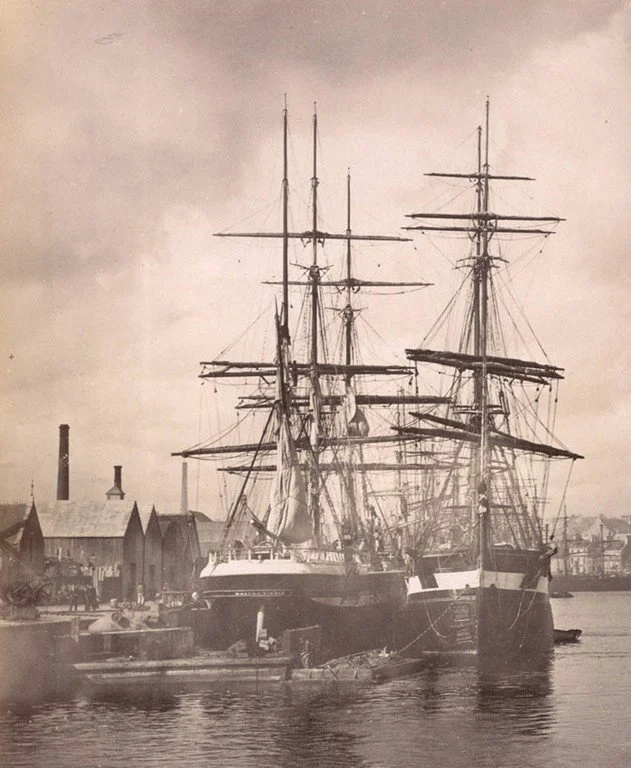
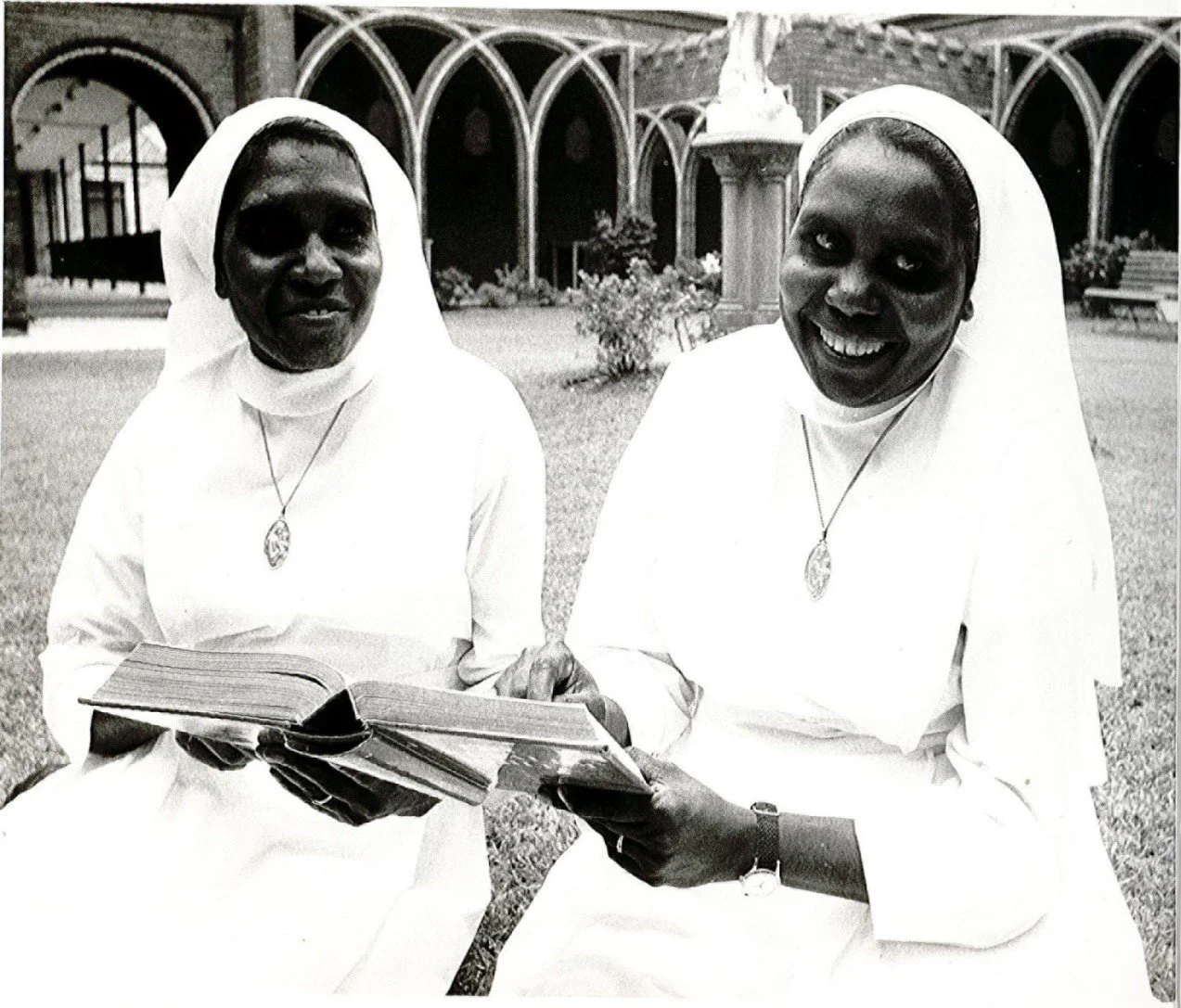
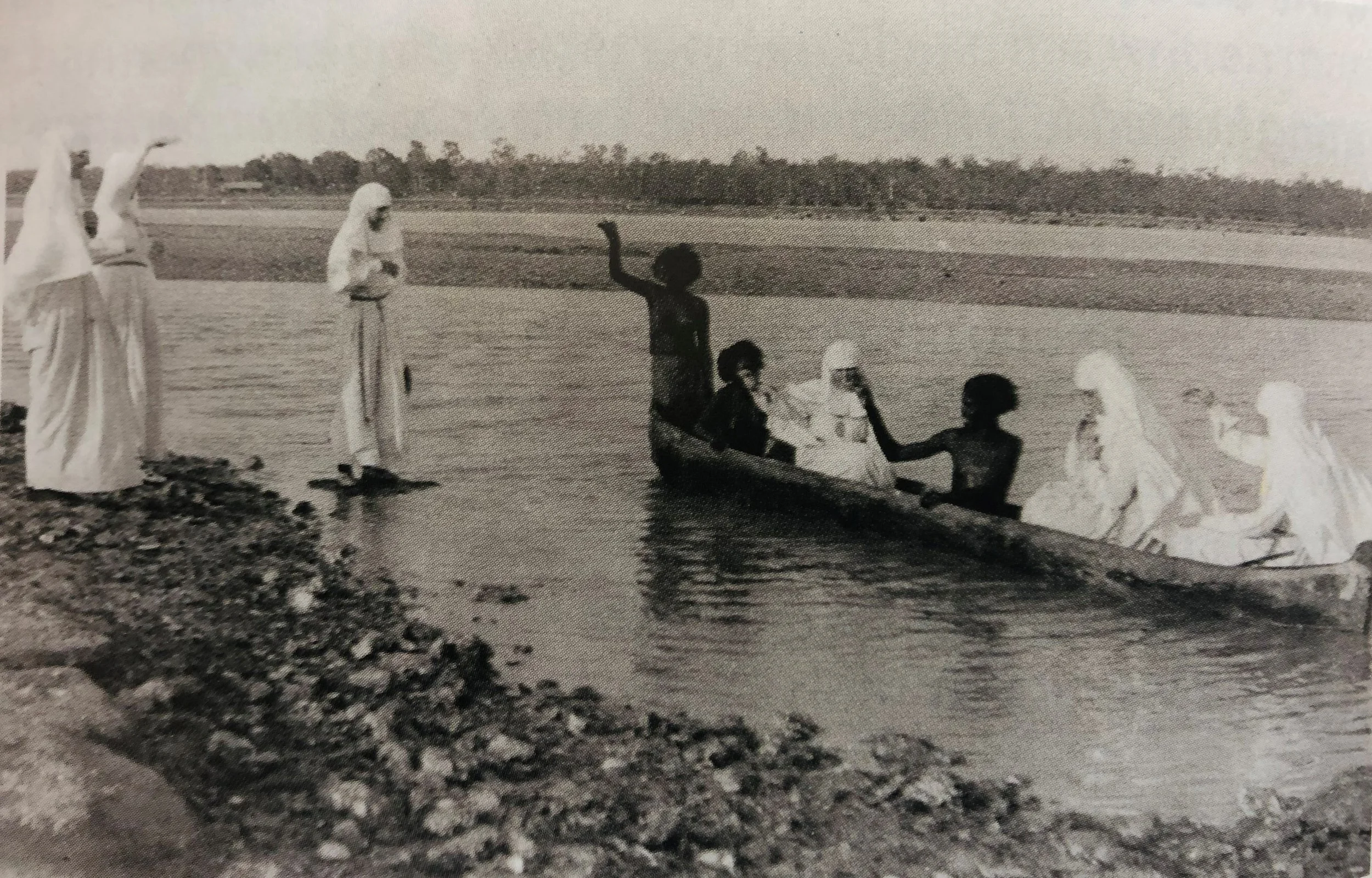
Daughters of Our Lady of the Sacred Heart
Since 1884, the Daughters of Our Lady of the Sacred Heart have embodied a courageous and joyful missionary spirit. They travelled to harsh and remote places, often at great personal cost, responding wherever love was most needed.
They established nearly seventy schools and offered healing and care in hospitals and isolated communities. Importantly, they formed deep and respectful relationships with First Nations peoples, honouring language, culture and dignity — an enduring witness to relational mission.
From Australia, their missionary spirit extended across oceans to Kiribati, Papua New Guinea, the Philippines, South Africa, South Sudan, Timor Leste, Tonga and Vietnam. Across cultures and continents, their presence carried compassion shaped by faith. Today, together with their Associates and partners in mission, they continue the quiet work of making God’s love visible in our world.
Daughters of Charity

Daughters of Charity, Pioneering Sisters
In November this year, the Daughters of Charity celebrate 100 years of presence in Australia. Four Sisters first arrived in Orange to care for orphans and to teach. Their beginnings were modest, yet their impact has been lasting.
Over the decades, they have served across most Australian states — accompanying the elderly, people with disabilities, Aboriginal communities, those experiencing homelessness, and others whose needs placed them at the margins. Guided by the charism of seeing the face of Christ in each person, they have moved where they were most needed, and when a need was met, they entrusted it to others and began again. Their story reflects a spirituality of attentiveness and courageous flexibility.
Dominican Sisters of Western Australia
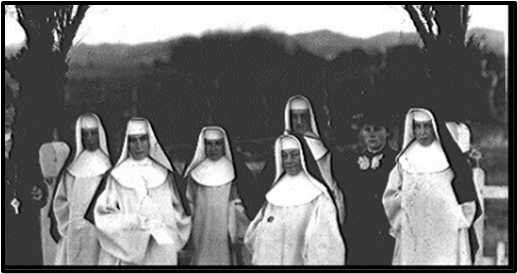
Founding Dominican Sisters of WA in Greenough, 1899
The Dominican Sisters of Western Australia, described in recent celebrations as “small but mighty,” marked 125 years of service in 2025. Founded in 1899 in the Geraldton Diocese, their ministry has been deeply woven into local communities.
Education has been central to their mission, but so too has simple, faithful presence. In remote and rural areas, the Sisters visited homes and isolated farms, offering friendship and a listening ear. They shared in the hardships of families during difficult times, living the same realities of scarcity and resilience. These shared experiences created bonds of mutual respect and lifelong connection.
Now largely in what the world calls “retirement” — though they gently note there is no such thing — they continue to offer companionship as parishioners, neighbours, former teachers and ecumenical partners. Their ministry reminds us that influence is not measured by size, but by the depth of the relationship.
Missionary Sisters of Service
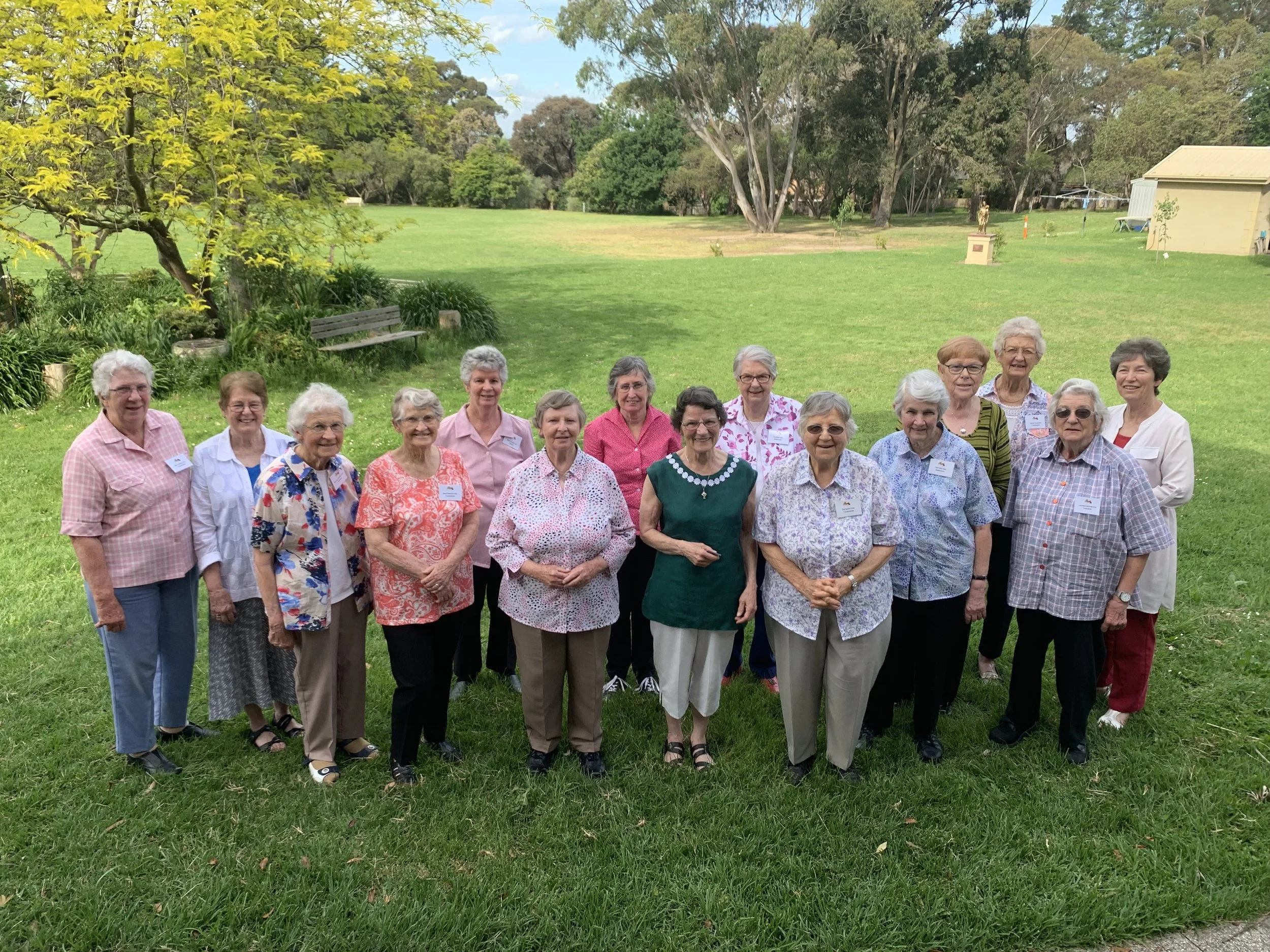
Missionary Sisters of Service
Founded in Launceston in July 1944 by four women — Teresa, Monica, Kathleen and Joyce — with the support of Father John Wallis and Teresa Morse, the Missionary Sisters of Service began with a vision of pastoral service to women in rural and outback Australia.
Countless miles were travelled across vast landscapes to affirm women in their lives and leadership within their communities. Over time, as Australia changed, so too did their expression of mission. They expanded into urban ministries while maintaining a strong focus on women — through spiritual formation, counselling, human rights advocacy, and pastoral work with refugees, asylum seekers and survivors of human trafficking.
In recent years, scholarships for Masters of Theological Studies have supported women in deepening their theological leadership. Throughout their history, the Sisters have honoured the First Peoples of this land and acknowledged the shaping influence of this ancient country on their identity as a community of women.
Sisters of St Joseph of the Apparition
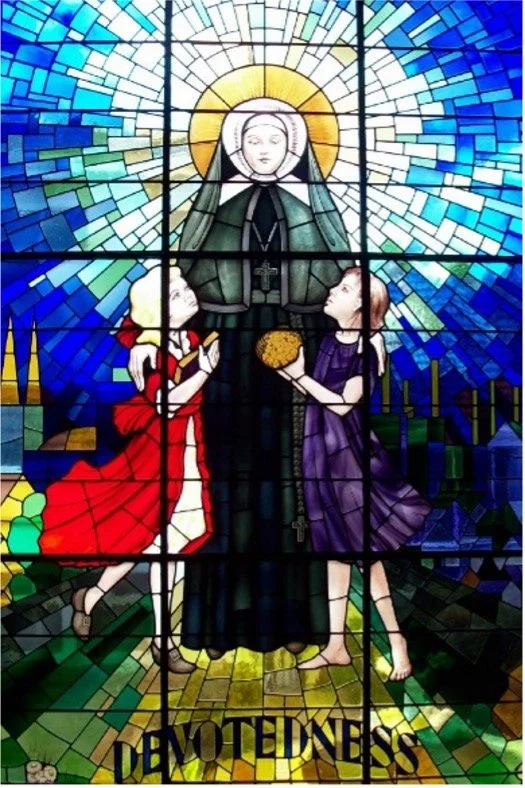
Arriving in the Swan River Colony in 1855, the Sisters of St Joseph of the Apparition quickly began their educational mission with a girls’ school in Fremantle. From these frugal beginnings grew a strong commitment to education across Western Australia.
Their involvement extended to the “Bushies Schools,” supporting children in remote areas to prepare for the Sacraments. They later contributed to religious education curriculum development and catechist formation. Music and the arts flourished in their communities, reflecting a belief in holistic formation.
In later years, they offered significant support to migrant families, especially through teaching English and assisting those in need. Rooted in a charism of being available for “any work of charity,” their ministry has been marked by adaptability and generosity.
Sisters of Mercy
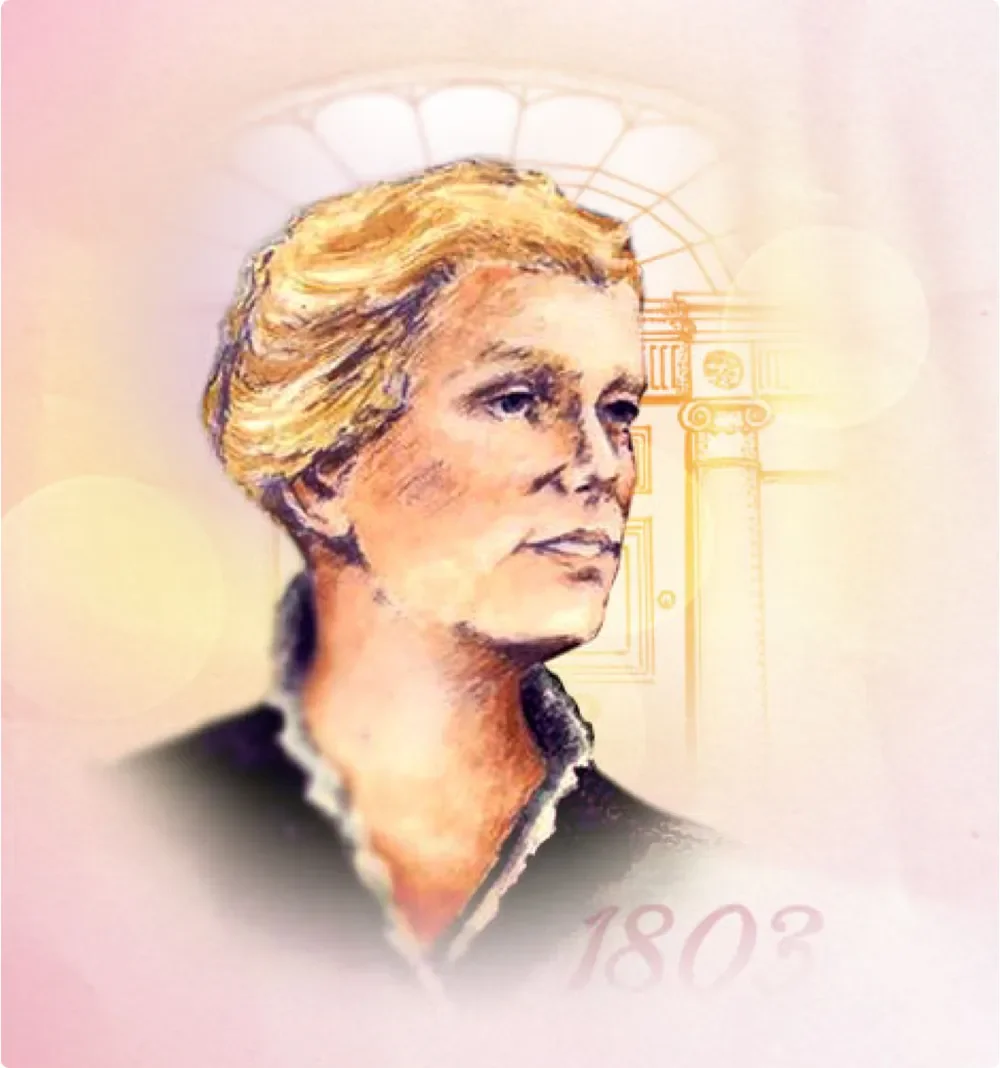
Venerable Catherin McAuley
Since arriving in 1846, the Sisters of Mercy have established foundations in every Australian capital city and many regional centres. Inspired by the vision of Catherine McAuley, they have shaped education, healthcare and social welfare across generations.
Their ministries have included schooling at all levels, nursing and allied health, pastoral care, counselling, aged care, prison ministry, and work alongside First Nations peoples, migrants, refugees and people with disabilities. Overseas, Australian Mercy groups have served in Papua New Guinea, Pakistan, East Timor, South America and Africa, and collaborated with organisations such as the Jesuit Refugee Service.
Their commitment to empowering women as agents of change continues through initiatives such as the Mercy Global Action Emerging Leaders Fellowship. Through new governance structures and outreach organisations, they seek to ensure
To read more about the stories, the lives and the mission of over 150
congregations that have influenced religious life and made a positive
impact on Australian culture and society, click here.
Download the article here.